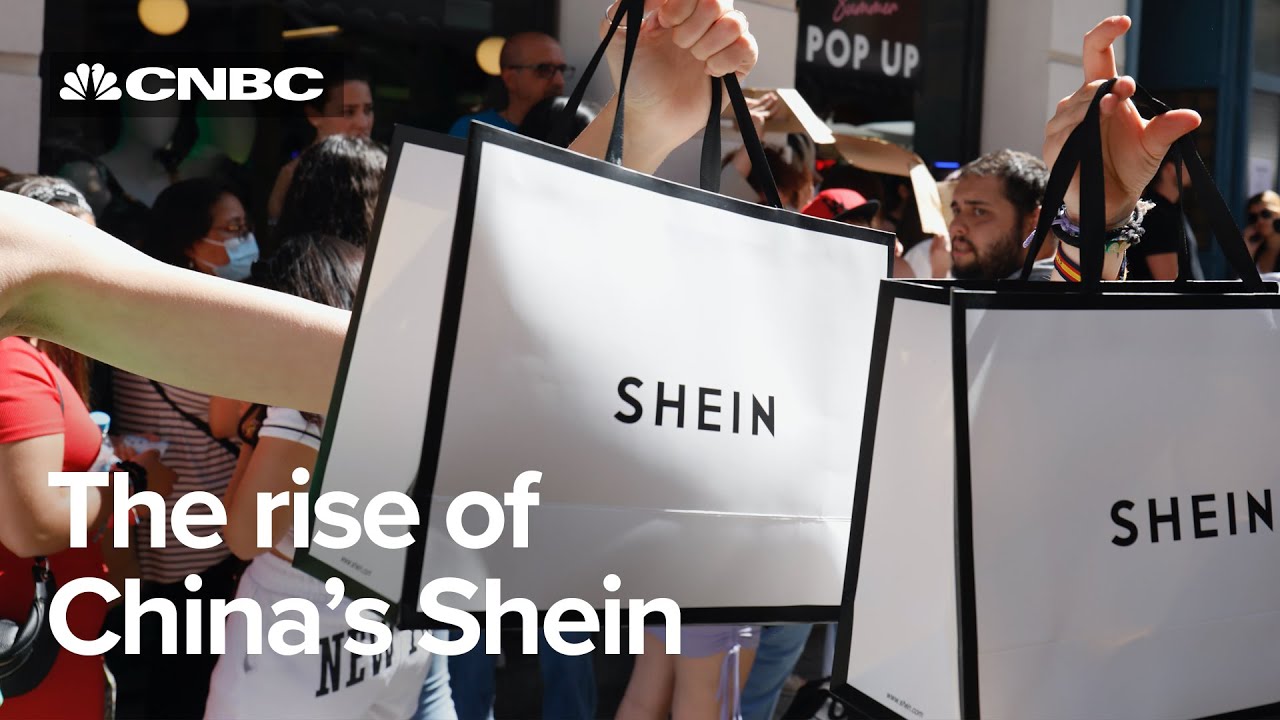
The Role of Sustainability in Shein’s Market Dynamics and Its Impact on Sales
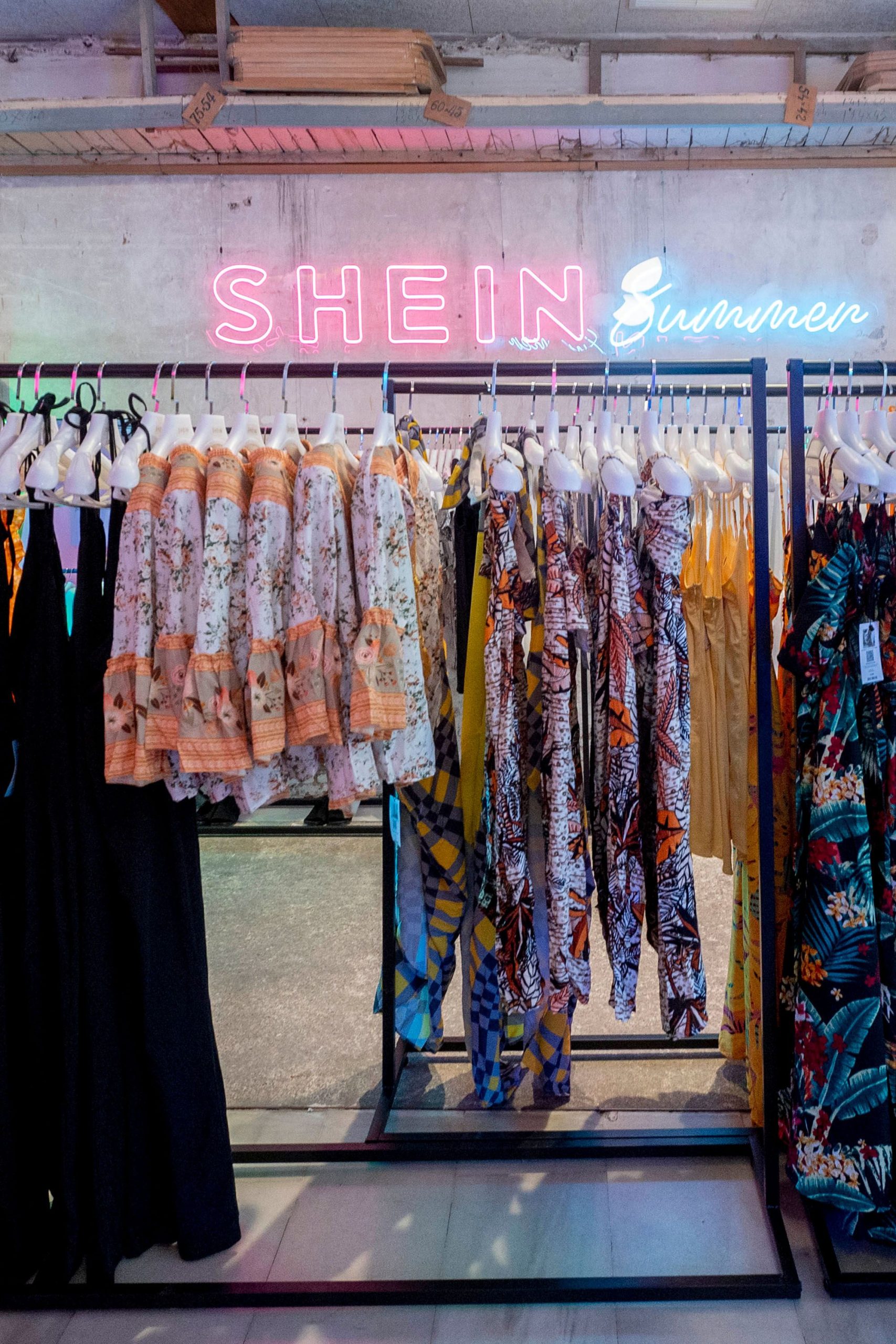
Understanding Consumer Expectations
In today’s marketplace, consumer expectations have dramatically shifted towards a demand for environmentally friendly practices. More than just a trend, customers now actively seek brands that prioritize social responsibility and sustainability. A survey from McKinsey & Company revealed that about 67% of consumers consider the use of sustainable materials as an important factor when purchasing apparel. This growing inclination means that companies like Shein must adapt to avoid losing customer loyalty.
Regulatory Pressures on Fast Fashion
As sustainability becomes more critical, regulatory pressures from governmental bodies are intensifying. In the United States, legislation is evolving to impose stricter guidelines on waste management and emissions, influencing how clothing is produced and disposed of. For example, California’s Assembly Bill 1162 requires brands to disclose the environmental impact of their clothing, pushing fast fashion brands like Shein to reevaluate their practices. The challenge lies in striking a balance between compliance and profitability while maintaining the allure of affordability that consumers desire.
The Importance of Supply Chain Transparency
Supply chain transparency has emerged as a significant expectation among consumers. They want to know where and how their clothes are made, including the ethical treatment of workers and the environmental consequences of production. In recent years, many brands have begun offering “behind-the-scenes” insights and sustainability reports to foster trust and accountability. However, Shein’s business model, which emphasizes rapid production and low prices, can complicate these efforts, often leading to accusations of greenwashing—where a company exaggerates or fabricates its environmental initiatives.
The Balance Between Sustainability and Profitability
As the discourse surrounding sustainability continues to evolve, Shein finds itself at a crossroads. The brand has made some strides in promoting sustainability through initiatives like recycling programs and the use of more eco-friendly materials. However, these efforts are often overshadowed by criticism of its fast fashion model and the environmental consequences that accompany it, such as textile waste and carbon emissions.
Exploring how Shein navigates these challenges reveals a complicated relationship with public perception. For example, while the brand may experience short-term sales spikes driven by fast fashion cycles and trend responsiveness, a failure to adequately address sustainability concerns could jeopardize its long-term market position. Thus, the critical question remains: can Shein successfully pivot its business strategy to align with evolving consumer values without sacrificing the very elements that fueled its growth?
Conclusion
In conclusion, as the fashion industry grapples with sustainability, brands like Shein must adapt to meet changing consumer expectations, regulatory pressures, and demands for transparency. Exploring these facets illuminates a fascinating yet challenging landscape where profitability and responsibility must coexist. The ongoing evolution of Shein’s practices will likely serve as a bellwether for the broader industry, making it essential for consumers and stakeholders alike to pay attention to the brands they support.
DISCOVER MORE: Click here to delve deeper
Sustainability Initiatives and Brand Image
The interplay between sustainability initiatives and brand image is a crucial component for fast fashion retailers such as Shein. In the wake of escalating public scrutiny regarding environmental practices, Shein has unveiled several measures intended to enhance its green credentials. Among these initiatives are programs aimed at recycling and waste reduction, as well as commitments to use sustainable materials in a portion of its products. For example, the introduction of its “Sustainable Collection” highlights efforts to incorporate organic cotton and recycled plastic into their garments.
However, critics argue that these initiatives, while a step in the right direction, often lack comprehensive implementation and genuine impact. A growing number of consumers are equipped with information and are alert to the concept of greenwashing—the act of presenting an organization as more environmentally friendly than it is. For Shein, addressing these allegations is not just about protecting its image but also about securing its market share in a rapidly transforming retail landscape.
Consumer Advocacy and Social Media Influence
The rise of consumer advocacy and social media platforms has amplified the voice of environmentally conscious shoppers. Platforms like Instagram and TikTok have become powerful tools for raising awareness about sustainability issues where influencers and activists share insights that can rapidly influence public perception. The hashtag movements such as #SustainableFashion have created a wave of accountability, forcing brands like Shein to respond to consumer sentiment. This shift can have significant repercussions for sales, as negative sentiment can lead to declines in brand loyalty and, consequently, revenue.
Challenges in Modernizing Production Practices
Modernizing production practices to meet sustainability standards presents a considerable challenge for Shein. The brand’s business model, characterized by quick turnover and low prices, hinges on minimizing costs and maximizing efficiency. This is often achieved through expedited production cycles that may overlook sustainable practices. Transitioning to eco-friendlier manufacturing—such as reducing carbon footprints or adopting ethical labor practices—requires extensive changes that could potentially escalate production costs.
- Investment in Technology: Brands need to invest in new technologies that optimize resource use.
- Sourcing Materials Responsibly: Finding sustainable materials that align with fast production timelines is often complicated.
- Training for Ethical Practices: Educating workers and partners on sustainable practices is essential but time-consuming.
As Shein weighs these challenges, the crucial question emerges: can the fast fashion giant balance the fine line between rapid production and responsible practices? With consumer demand for sustainability on the rise, the answer to this question could significantly shape Shein’s market dynamics and long-term sales potential.
| Sustainability Initiative | Impact on Sales |
|---|---|
| Eco-friendly Materials | Incorporating biodegradable fabrics enhances brand image and attracts environmentally conscious consumers. |
| Energy-efficient Production | Reduced production costs lead to competitive pricing, making sustainable options more accessible. |
| Transparent Supply Chain | Building consumer trust through ethical sourcing practices directly correlates with increased loyalty and repeat purchases. |
| Community Engagement | Local partnerships and projects enhance brand reputation, driving higher sales through grassroots support. |
As Shein strides further into the realm of sustainable practices, the implementation of eco-friendly materials has become a pivotal element of its market strategy. By utilizing biodegradable fabrics, Shein not only bolsters its connection with a growing demographic of environmentally conscious consumers but also repositions its brand as a pioneer in sustainable fashion. This commitment to sustainability significantly aids in enhancing sales figures, as consumers increasingly prefer brands that align with their values.Moreover, energy-efficient production techniques are instrumental in reducing production costs. This allows Shein to offer sustainable products at competitive prices, ensuring that eco-friendly fashion is accessible to a broader audience. Consequently, the cost-efficiency of sustainable practices could lead to greater sales volumes while supporting environmentally responsible consumption.Additionally, the establishment of a transparent supply chain is crucial for gaining consumer trust. By adopting ethical sourcing practices, Shein fosters loyalty and encourages repeat purchases, which are fundamental for sustained revenue growth. Finally, engaging with local communities through sustainable initiatives cultivates a strong brand image and leads to increased grassroots support, further enhancing Shein’s overall market dynamics and sales performance. The convergence of sustainability and business acumen presents a unique landscape, ripe for exploration and innovation, ushering in a new era of responsible retail.
DISCOVER MORE: Click here to learn about Shein’s innovative strategies
Consumer Demand Shifts Towards Sustainability
The growing consumer demand for sustainability is reshaping market dynamics for brands in the fast fashion sector, including Shein. Recent surveys indicate that a significant portion of U.S. shoppers, particularly Millennials and Generation Z, prioritize purchasing from brands that adequately address environmental and social responsibilities. According to a report by McKinsey, 67% of consumers consider the use of sustainable materials when deciding on purchases, making it clear that companies not embracing sustainability might face a decline in customer interest.
This shift in consumer expectations provides both a challenge and an opportunity for Shein. The brand must navigate the delicate balance between offering trendy, affordable products and evolving its practices to meet the ethical standards that consumers now demand. Failing to do so could not only tarnish the brand’s reputation but also lead to a potential drop in sales as more shoppers gravitate towards competitors who prioritize sustainability, such as Everlane or Reformation, known for their transparent production processes and use of eco-friendly materials.
The Cost of Consumer Expectations
As Shein grapples with changing consumer preferences, the cost of inaction can be high. Insights from industry analysts suggest that brands which fail to embrace sustainable practices risk losing 75% of their customer base to more eco-conscious competitors within the next decade. In addition, the cost implications of enhancing sustainability cannot be overlooked; transitioning to green materials often results in higher initial production costs that brands must offset while maintaining their competitive pricing.
- Price Sensitivity: Shein’s target audience is often price-sensitive, which complicates implementing sustainable practices without increasing retail prices.
- Long-Term Consumer Loyalty: Gaining the trust of sustainability-focused consumers can translate to long-term brand loyalty and market share, an essential consideration for Shein’s growth strategy.
Collaborations and Corporate Responsibility
In an effort to bolster its sustainable image, Shein is also engaging in collaborations with non-profit organizations focused on environmental protection. Initiatives such as partnerships to support recycling programs or educational campaigns can enhance Shein’s corporate responsibility profile. For example, collaborating with groups like the Better Cotton Initiative can help Shein effectively demonstrate its commitment to sustainable sourcing.
However, while these collaborations can improve brand image, they also require careful consideration and accountability. Shein must ensure that partnerships are not merely symbolic gestures but result in measurable progress. Data transparency and clear reporting on the effectiveness of such collaborations will be pivotal in reassuring skeptical consumers about the brand’s commitment to genuine sustainability.
Future Trends and Adaptation Strategies
Looking ahead, the future of sustainability in the fast fashion industry seems to be trending towards greater consumer engagement and adaptive practices. As technological advancements facilitate better manufacturing processes, brands like Shein may find opportunities to innovate and enhance their sustainability efforts.
- Data-Driven Choices: Utilizing data analytics can help Shein predict consumer trends and adapt its offerings to align with sustainable preferences.
- Customization Options: Introducing customizable options allows consumers to choose materials or designs that meet their sustainability expectations.
With scrutiny from consumers intensifying, Shein’s ability to pivot and respond to these evolving market dynamics will not only impact its sales but will also determine its place within a changing industry landscape. As the conversation around sustainability continues to evolve, companies must remain agile and committed to meaningful progress, ultimately shaping the future of fast fashion.
DISCOVER MORE: Click here for the ultimate guide to stylish plus-size swimwear
Conclusion: Navigating the Path of Sustainability in Fast Fashion
In today’s fast-paced retail environment, sustainability has emerged as a cornerstone of consumer expectation, particularly within the fast fashion segment. Shein, as a leading player in this market, must adapt to the increasing demand for environmentally and socially responsible practices to remain competitive. As highlighted, the cost of ignoring consumer preference for sustainability can lead to substantial losses, potentially alienating a significant portion of its customer base.
Moreover, striking the right balance between cost and sustainable practices is crucial for Shein’s growth. The integration of strategic collaborations with NGOs and commitment to transparency can bolster Shein’s brand image, but it is essential that these efforts yield tangible results rather than mere tokenism. In the face of rising eco-conscious competitors, the need for Shein to embrace innovative, data-driven strategies will only intensify, offering customized options that align with consumer values.
Ultimately, the effectiveness of Shein’s sustainability initiatives will not only dictate its sales trajectory but will also define its long-term relevance in a rapidly evolving industry. As consumer expectations continue to shift, brands must maintain agility and foster genuine commitments to sustainability, thereby paving the way for a more responsible future in fast fashion. The journey toward sustainability may be fraught with challenges, but it also holds the promise of developing deeper connections with the modern consumer, ensuring enduring loyalty and market success.

Linda Carter
Linda Carter is a writer and expert known for producing clear, engaging, and easy-to-understand content. With solid experience guiding people in achieving their goals, she shares valuable insights and practical guidance. Her mission is to support readers in making informed choices and achieving significant progress.