The Influence of Artificial Intelligence on Personalizing the Shopping Experience at Shein

The Impact of AI on Modern Retail
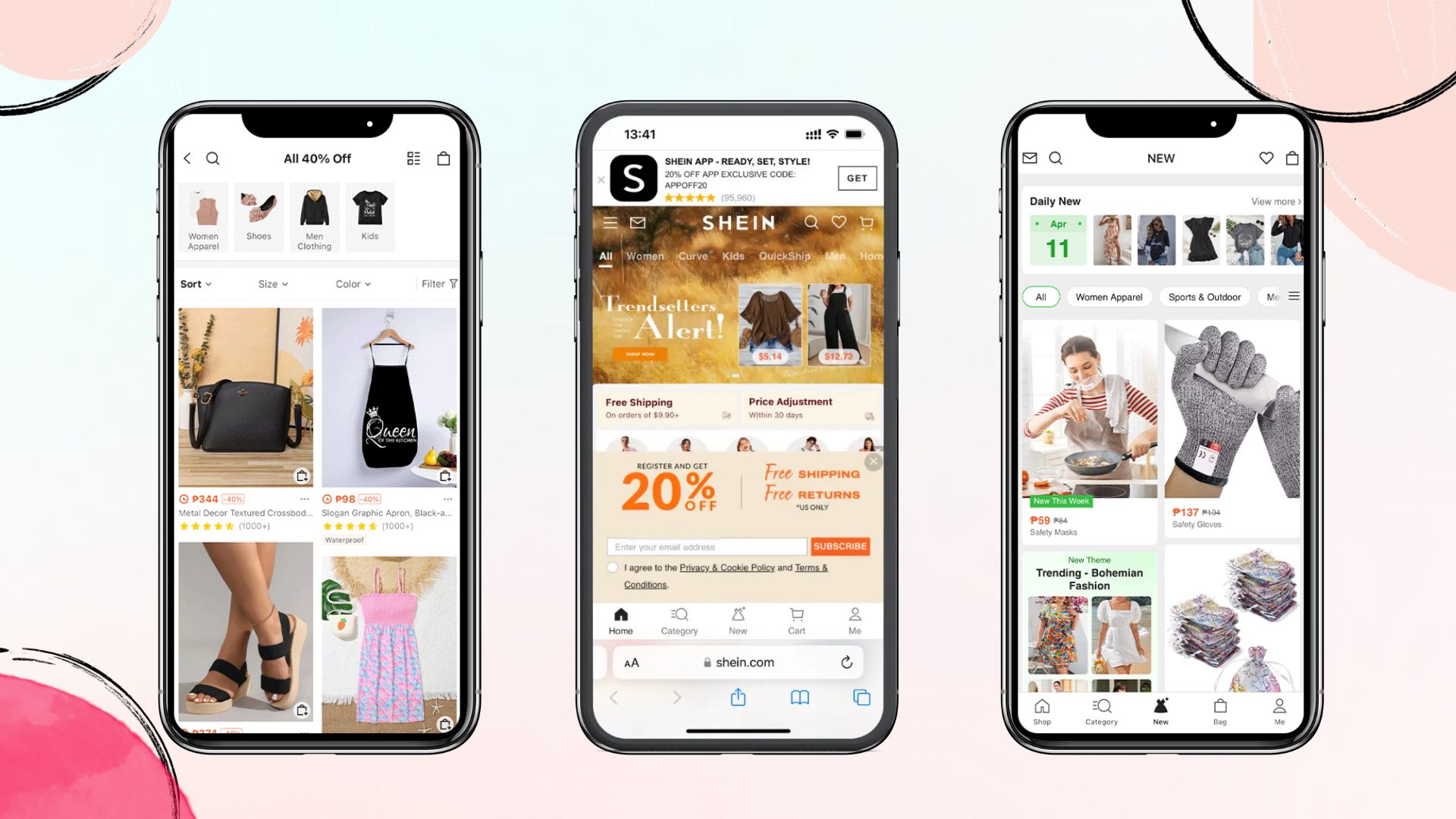
The retail landscape is experiencing a significant overhaul thanks to the infusion of artificial intelligence (AI) into everyday shopping experiences. This transformative technology tailors interactions with brands, fundamentally altering how consumers engage with products. One prime example is the brand Shein, known for its fast-fashion approach, which utilizes AI to analyze consumer data and enhance personalization in shopping.
Personalized Recommendations
One of the most striking applications of AI in retail is the feature of personalized recommendations. Through sophisticated algorithms, Shein analyzes various data points, including past purchases, browsing history, and even time spent on specific items. This information allows the platform to suggest products that align with an individual’s unique style and shopping preferences. For instance, if a customer frequently buys bohemian-style garments, they are likely to receive suggestions of similar pieces, enhancing their shopping experience and making it more relevant.
Dynamic Pricing
Dynamic pricing is another intriguing aspect of AI in retail. Using advanced algorithms, Shein can adjust prices based on real-time data reflecting market demand, customer interest, and competitor pricing. This enables customers to benefit from competitive rates while ensuring that the brand maximizes its profit margins. For example, if a particular style of dress is selling quickly, Shein might increase its price slightly, capitalizing on its popularity. Conversely, less popular items may see prices drop to encourage sales, adapting the shopping experience to market trends.
Virtual Fitting Rooms
The introduction of virtual fitting rooms leverages augmented reality to allow customers to visualize how clothing will look on them before making a purchase. Shein’s integration of this technology minimizes the guesswork associated with online shopping and is particularly beneficial for reducing return rates, which can often be expensive for retailers. This innovative feature not only enhances customer satisfaction but also encourages more confident purchasing decisions, thereby boosting overall sales.
This blend of technology and retail creates a compelling narrative about the future of shopping. As consumer demand for convenience and personalized experiences rises, companies like Shein are actively responding by harnessing vast amounts of data. These advancements have repercussions that extend beyond individual purchases; they influence purchasing behavior, enhance brand loyalty, and even shape market trends.
Understanding the implications of these innovations offers valuable insights into Shein’s strategic positioning within the retail sector. As we delve deeper into how AI is reshaping the shopping experience, we see a landscape where retail not only adapts to consumer needs but anticipates them, marking a new era in the way we think about shopping.
DON’T MISS OUT: Click here to safeguard your purchases
Transforming the Customer Journey with AI
As the e-commerce landscape evolves, the integration of artificial intelligence (AI) has become pivotal in redefining how retail brands, such as Shein, connect with their customers. By leveraging AI technologies, Shein is not only personalizing the shopping experience but also enhancing customer engagement, ultimately leading to higher retention rates. This transformation of the customer journey showcases how digital platforms are capable of creating more meaningful interactions through tailored experiences.
Enhanced User Experience
At the core of AI’s influence on Shein’s shopping experience is the enhanced user experience it provides. Notably, the platform employs AI-driven chatbots that simulate human-like conversation to assist shoppers in real time. This virtual assistance serves a dual purpose: it can provide immediate answers to customer inquiries while guiding users through product searches or offering fashion advice. This instant access reduces frustration and enhances the overall shopping journey.
Moreover, through AI analysis of website interactions, Shein continuously refines its user interface based on customer behavior. Data such as click paths, time spent on pages, and frequently searched items contribute to optimizing the layout and accessibility of the site, leading to increased satisfaction. Customers often find themselves returning to a platform that feels both intuitive and accommodating to their habits.
Content Personalization
Another noteworthy dimension of AI’s reach within Shein is its ability to deliver content personalization. By employing machine learning algorithms, Shein crafts unique marketing approaches tailored specifically to individual preferences. This includes personalized emails, curated seasonal collections, and advertisements that resonate based on past shopping behavior. For example, if a user frequently purchases trendy activewear, they might receive targeted promotions featuring the latest athletic styles, which enhances engagement and drives sales.
The Data-Driven Approach
Shein’s utilization of a data-driven approach underscores the significance of consumer insights. By compiling data from various touch points, such as purchase frequency and customer feedback, Shein can glean valuable information regarding market demands. This information allows the company to adapt quickly, staying ahead of fashion trends and customer preferences. AI not only helps in predicting popular styles but also in foreseeing shifts in consumer behavior, enabling Shein to pivot in real-time.
- Real-time data collection: To understand customer interactions better.
- Predictive analysis: Helps forecast future buying trends.
- Behavioral tracking: Allows for the adaptation of marketing strategies based on customer habits.
As AI techniques become more sophisticated, brands like Shein are poised to lead the way in using data to personalize the shopping experience. This strategic use of artificial intelligence not only enhances the way consumers shop but opens new avenues for brand loyalty and engagement. By creating customized shopping journeys, Shein lays the groundwork for more dynamic and responsive retail practices in an increasingly competitive market.
| Advantage | Description |
|---|---|
| Enhanced Personalization | AI algorithms analyze user behavior to tailor suggestions, making the shopping experience unique for each customer. |
| Improved Search Capabilities | AI-driven search tools allow for more accurate product searches, helping shoppers find exactly what they need with less effort. |
| Dynamic Pricing | AI systems enable optimal pricing strategies, ensuring competitive prices that adjust based on demand and user engagement. |
| Predictive Analytics | By leveraging user data, AI can forecast trends and preferences, allowing Shein to stay ahead in the fashion landscape. |
The transformative role of AI at Shein extends beyond mere product recommendations. Enhanced personalization creates distinct shopping experiences tailored to individual preferences. This shifts the focus from generic suggestions to a more curated experience, crucial in today’s competitive landscape.Moreover, the integration of AI also brings about improved search capabilities. Customers benefit from AI-powered search engines that understand their queries in depth, facilitating quicker and more accurate results. Not only do these advancements streamline the shopping process, but they also enhance user satisfaction – a critical component for retaining loyal customers.Incorporating dynamic pricing models is another advantage of AI technology that Shein employs. The platform intelligently adjusts prices based on market trends and user interactions, thus maximizing both customer appeal and profit margins. This strategy ensures that shoppers are consistently exposed to competitive deals.Lastly, predictive analytics helps Shein anticipate market trends and consumer demands. By analyzing large volumes of data, the brand remains agile, staying one step ahead of competitors in forecasting what the customer base will desire next. This proactive approach not only enriches the shopping experience but solidifies Shein’s position in the fashion retail industry, illustrating how AI is not just a tool but a strategic ally in enhancing customer engagement and satisfaction.
DON’T MISS: Click here to discover how to customize your notifications on the Shein app!
AI-Driven Recommendations: Curating Unique Shopping Journeys
A pivotal element of Shein’s personalized shopping experience lies in its AI-driven recommendation system. By harnessing the vast amounts of data generated from user interactions, Shein can deliver tailored product suggestions with uncanny accuracy. As customers browse the site, AI algorithms analyze their preferences, previous purchases, and browsing history to pop up custom-tailored items that likely suit their individual tastes.
This revolutionary approach does more than simply present users with an array of choices; it cultivates a sense of personalized engagement. For instance, if a shopper has shown a consistent interest in bohemian-style clothing, the platform might prioritize showcasing new arrivals specifically in that category. With such finely-tuned recommendations, Shein effectively narrows the overwhelming options, allowing customers to make decisions quickly—leading to a smoother and more satisfying shopping experience.
Dynamic Pricing and Promotions
Artificial intelligence has also ushered a new era in dynamic pricing. By evaluating multiple factors such as stock levels, demand spikes, and competitive pricing, Shein can adjust its pricing strategies in real-time. This ensures not only that products remain attractive to consumers but can often lead to personalized discounts or promotions based on individual purchasing behavior. For instance, if a customer frequently checks out certain items but does not complete the purchase, Shein may offer a time-sensitive discount to incentivize conversion.
Such AI-driven pricing strategies can enhance customer satisfaction, making shoppers feel they are obtaining the best value for their money. This constant feedback loop between buyer behavior and pricing models creates an ecosystem where consumer interests align more closely with brand offerings. Furthermore, it leverages scarcity and urgency—psychological factors that drive quicker purchasing decisions among consumers.
Social Media Integration: Building Community and Engagement
In an age where social media is integral to the shopping experience, Shein capitalizes on this by integrating AI to analyze social trends and consumer sentiment across platforms. By monitoring social interactions, Shein can gauge which styles, influencers, or trends resonate with shoppers, making it better equipped to produce items that align with current market demands.
- Sentiment analysis: AI tools can sift through comments, hashtags, and user-generated content to provide insights on customer feelings towards products, assisting Shein in refining its inventory.
- Influencer partnerships: By understanding which influencers drive traffic and engagement through their followers, Shein can align marketing strategies accordingly, fostering greater brand ambassadors out of social media personalities.
- Crowd-sourced feedback: Shein encourages consumers to share their outfits and reviews, further cementing community engagement while using this data to continuously shape product lines.
The interplay between AI and social media enhances customer interactions. Users are not just consumers but community members, further amplifying brand loyalty. With such strategies in place, Shein is well-positioned to leverage technology to create a shopping experience that is not only personalized but also reflective of real-world consumer sentiment, marking a significant step forward in the future of retail innovation.
DON’T MISS OUT: Click here to dive into the ultimate swimwear guide
Conclusion: The Future of Personalized Retail
In summary, the influence of artificial intelligence on personalizing the shopping experience at Shein serves as a benchmark for the future of retail. By employing AI-driven recommendation systems, dynamic pricing strategies, and comprehensive social media integration, Shein is not only streamlining the shopping journey but also fostering a sense of community among its consumers. The ability to adapt and respond swiftly to individual consumer behavior enables Shein to create a truly unique experience, increasing customer satisfaction and loyalty.
Moreover, Shein’s use of data analytics to glean insights from social media trends signifies a significant shift towards a more consumer-centric approach. This adaptability not only enhances the overall shopping experience but empowers customers to feel more connected to the brand. As AI technology continues to evolve, retailers must consider how these innovations can further enhance personalization in their shopping environments.
Ultimately, the implications of AI personalization extend beyond immediate sales; they pave the way for a transformative shift in consumer behavior and expectations. As the landscape of online shopping changes, brands like Shein that embrace this technological evolution will not only thrive but also set the standard for a new era of retail engagement. As we look forward, the question remains: how will businesses leverage this powerful tool to reshape their identities, better serve their customers, and drive future growth?

Linda Carter
Linda Carter is a writer and expert known for producing clear, engaging, and easy-to-understand content. With solid experience guiding people in achieving their goals, she shares valuable insights and practical guidance. Her mission is to support readers in making informed choices and achieving significant progress.