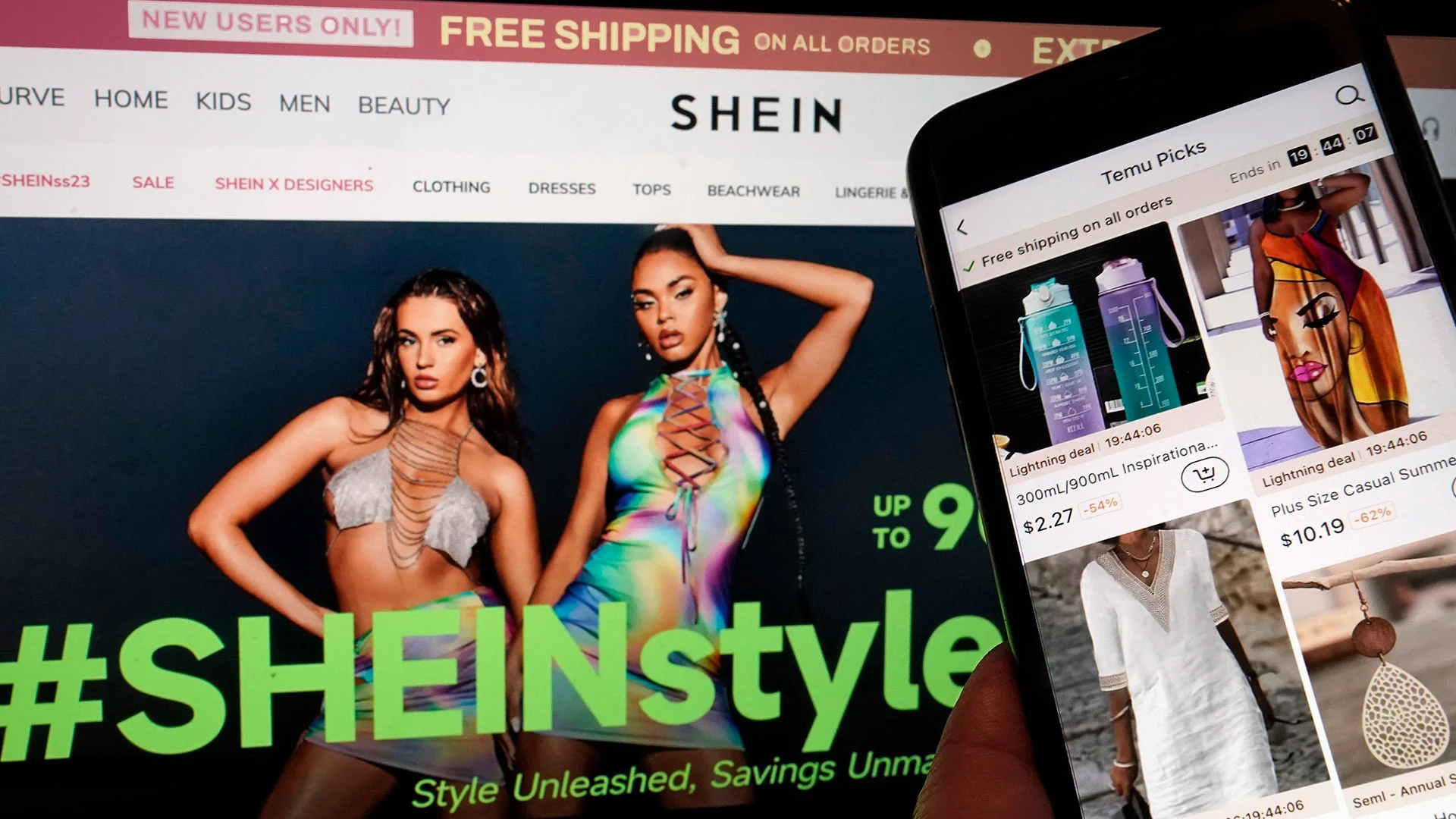
The Impact of Technology on Market Dynamics: Innovations that Transform Consumption
The Transformative Impact of Technology on Consumer Behavior
In recent years, the acceleration of technological advancements has significantly altered the way consumers behave and interact with brands. As we navigate a world dominated by digital innovations, it becomes crucial for both consumers and businesses to understand these shifts and adapt accordingly.
E-commerce Revolution
E-commerce has fundamentally changed the retail landscape. With platforms like Amazon and eBay, consumers can now browse through millions of products from the comfort of their homes. This convenience allows for easy price comparisons, making it possible for shoppers to find the best deals without ever setting foot in a physical store. Additionally, the rise of subscription services like Stitch Fix or Birchbox offers curated shopping experiences tailored to individual tastes, further enhancing consumer engagement.
Mobile Applications and Enhanced Convenience
The advent of mobile applications has also redefined the shopping experience. Apps like Instacart and Grubhub facilitate seamless transactions for grocery shopping and food delivery, making it easier than ever for consumers to fulfill their needs on-the-go. Furthermore, features such as virtual try-ons in fashion apps or augmented reality, which allows users to visualize how furniture will look in their homes, add layers of personalization and satisfaction to the shopping process.
The Role of Social Media in Consumer Engagement
Social media platforms, particularly Instagram and Facebook, have emerged as powerhouse marketing tools. Brands can create engaging content that resonates with their audience through visually appealing images and interactive stories. Influencer partnerships exemplify how brands can leverage social media personalities to reach niche markets and build authentic connections. For example, a beauty brand may collaborate with a popular makeup influencer, who can demonstrate product usage and share discount codes with their followers, leading to increased sales and customer loyalty.
Data Analytics and Personalized Offerings
Businesses today heavily utilize data analytics to understand consumer preferences and behavior. By analyzing shopping patterns, companies like Target and Netflix can tailor their product recommendations, ensuring that customers see items that interest them most. This level of personalization not only enhances customer satisfaction but also fosters a stronger connection between the brand and its consumers. Predictive analytics enables businesses to anticipate trends, allowing them to stay ahead in the competitive market.
Conclusion: Adapting to a Changing Landscape
As technological advancements continue to reshape the marketplace, businesses must adapt to cater to an increasingly informed and engaged customer base. The shift towards a technology-driven economy requires not only a keen awareness of these emerging trends but also a commitment to innovation in order to remain competitive. Understanding the profound impact of technology on market dynamics is essential for both consumers and brands as they navigate this evolving landscape. In the following sections, we will further explore these innovations and their implications on consumer behavior and business strategies.
DIVE DEEPER: Click here to learn more
Shifting Paradigms: Technology and Changing Consumer Expectations
As technology continues to evolve, so too do consumer expectations and behaviors. Modern shoppers are not only looking for quality products but also for experiences that resonate with their personal values and lifestyles. This shift reflects the growing importance of convenience, personalization, and engagement, all driven by technological innovations.
Omnichannel Shopping Experiences
Omnichannel retailing is one of the key trends reshaping consumer interactions with brands. Today’s consumers expect a seamless shopping experience across multiple channels—whether they are browsing a website on their laptops, shopping in a brick-and-mortar store, or using a mobile app. This interconnected approach allows shoppers to research products online before making a purchase in-store or to return items purchased online at a physical location.
- Integration of online and offline channels offers consumers flexibility in how they shop.
- Brands that operate across multiple platforms can maintain closer relationships with their customers.
- Providing consistent messaging and branding helps reinforce consumer trust and loyalty.
For instance, major retailers like Walmart and Target have effectively embraced this omnichannel strategy, allowing customers to order online and pick up in-store—a service that has gained popularity during the pandemic. This not only meets the demand for convenience but also drives foot traffic to physical stores, creating further opportunities for unplanned purchases.
Real-Time Engagement and Customer Service
Real-time customer service has become an essential aspect of consumer expectations in this digital age. Technologies such as chatbots, live chat features, and AI-driven customer support systems empower brands to provide instant responses and assistance. This immediacy reduces friction in the shopping process, allowing consumers to quickly resolve issues or obtain information.
Additionally, brands are harnessing the power of social media for real-time engagement. Companies can interact with customers directly, address concerns, and share updates instantly. For example, when a customer posts about a negative experience on Twitter, brands that respond swiftly and positively can potentially turn a dissatisfied customer into a loyal advocate for their brand.
The Importance of Ethical Consumption
Modern consumers are increasingly prioritizing ethical considerations in their purchasing habits. With greater access to information, shoppers are more informed about the practices behind the products they buy. This demand for transparency influences market dynamics as brands are compelled to prioritize corporate social responsibility and sustainability.
- Brands that promote ethical sourcing and sustainable practices can attract conscious consumers.
- Companies like Patagonia, which advocate for environmental causes, resonate deeply with consumers’ values.
- As consumers become more socially aware, brands that fail to adapt may find themselves at a competitive disadvantage.
In conclusion, as we continue to delve into the innovations that are transforming consumption, it is evident that technology plays a pivotal role in shaping consumer expectations and behaviors. The drive towards more personalized, convenient, and ethical shopping experiences redefines market dynamics, urging brands to evolve in order to meet the needs of today’s discerning consumers.
DISCOVER MORE: Click here to dive deeper
Data-Driven Marketing and Personalization
In an era where data is hailed as the new oil, data-driven marketing is revolutionizing how brands connect with consumers. With technological advancements allowing companies to gather and analyze vast amounts of data, businesses are better equipped than ever to understand consumer preferences, behaviors, and trends. This intelligence not only enhances marketing strategies but also personalizes the shopping experience.
Tailored Product Recommendations
One of the most striking applications of data-driven marketing is tailored product recommendations. Retail giants like Amazon use sophisticated algorithms to analyze browsing history, purchase behavior, and even items commonly viewed together. This enables Amazon to suggest products that are highly relevant to each shopper’s interests, significantly increasing conversion rates and customer satisfaction.
- Personalized emails, featuring products based on previous purchases, can lead to higher engagement rates.
- Curated shopping experiences enhance customer retention and encourage repeat purchases.
- Brands that leverage artificial intelligence for predictive analytics can anticipate future consumer demands, staying ahead of their competition.
Augmented Reality: Enhancing the Shopping Experience
Another groundbreaking innovation driven by technology is augmented reality (AR). This technology allows consumers to visualize products in real-time before making a purchase, reducing uncertainty and enhancing confidence in their buying decisions. For example, home furnishing retailers like IKEA have developed AR applications that let customers see how furniture would look and fit within their own living spaces. Such immersive experiences not only captivate consumers but also encourage informed purchasing decisions.
Subscription Models and Convenience
The rise of subscription models has transformed consumption patterns, catering to consumers’ desire for convenience and simplicity. Services like Netflix, Dollar Shave Club, and Blue Apron have successfully capitalized on this trend, delivering tailored products directly to consumers’ doors. The subscription model not only fosters loyalty but also allows brands to maintain consistent cash flow, as customers commit to recurring payments.
- Consumers appreciate the convenience of having products automatically delivered without regular intervention.
- Subscription services often provide exclusive content or products that enhance perceived value.
- Data from subscription services helps companies further understand consumer preferences, allowing for refined marketing strategies.
Influencer Marketing and Social Proof
With the exponential growth of social media, influencer marketing has emerged as a critical element in shaping market dynamics. Brands collaborate with social media influencers who resonate with their target audience. By leveraging the established trust and authenticity that these influencers carry, brands can effectively promote their products to a wider demographic.
For instance, fashion and beauty brands often see significant boosts in sales after influencer endorsements, as consumers are more likely to base their purchasing decisions on recommendations from figures they admire. The rapid spread of information on platforms like Instagram and TikTok allows brands to reach vast audiences quickly, speeding up the cycle of consumption.
As technology continues to push the boundaries of marketing, the integration of these innovations creates an environment where brands must adapt to stay relevant. By embracing data-driven strategies, augmented reality, subscription models, and influencer partnerships, companies are redefining how they engage with consumers, sculpting a landscape that thrives on personalization and agility.
DISCOVER MORE: Click here to find stylish options for taller shoppers
Conclusion
In conclusion, the influence of technology on market dynamics is profound and far-reaching. As we have explored, advancements such as data-driven marketing, augmented reality, subscription services, and influencer marketing have significantly transformed how consumers interact with brands. Data-driven marketing has empowered companies to tailor their strategies with unparalleled precision, allowing for a highly personalized shopping experience that resonates with individual preferences.
Equally important is the role of augmented reality, which enhances consumer confidence by allowing them to visualize products in their own environments before making a purchase. This immersive experience not only reduces buyer’s remorse but also encourages informed decisions, thereby fostering loyalty among consumers. Additionally, the rise of subscription models speaks to a growing demand for convenience and efficiency, enabling businesses to create stable revenue streams while catering to busy lifestyles.
In this digital age, influencer marketing has reshaped how brands communicate and connect, leveraging social proof to build trust and authenticity among audiences. As consumers increasingly look to social media for recommendations, brands must embrace these innovative approaches to remain competitive.
Ultimately, the ability of companies to adapt to these technological advancements is crucial for success in today’s fast-paced market. By leveraging these innovations, businesses not only enhance customer engagement but also create a landscape where consumer needs are prioritized. As we move forward, understanding and integrating these technologies will be essential for any brand aiming to thrive in the evolving marketplace.

Linda Carter
Linda Carter is a writer and expert known for producing clear, engaging, and easy-to-understand content. With solid experience guiding people in achieving their goals, she shares valuable insights and practical guidance. Her mission is to support readers in making informed choices and achieving significant progress.