The Impact of Globalization on Shein’s Market Dynamics and Its Expansion Strategy
The Global Phenomenon of Shein
In an era marked by rapid technological advancements and cultural exchanges, Shein has ascended to become a significant player in the global retail landscape. This fast-fashion giant is not merely a retail brand; it represents a broader trend of globalization that is revolutionizing consumer habits and redefining market dynamics across various regions. Through sophisticated strategies, Shein has efficiently navigated the complexities of international markets, making it a case study of modern commerce.
Supply Chain Optimization
At the heart of Shein’s success is its supply chain optimization. The company has built a vast network of suppliers and manufacturers across multiple countries, chiefly in Asia, where production costs tend to be lower. This geographical diversification allows Shein to negotiate cost-effective production deals, ensuring that it can offer trendy apparel at prices often considered unbeatable. For instance, by sourcing materials from various nations, Shein not only lowers expenses but also maintains flexibility in its inventory management, swiftly adapting to seasonal trends and consumer demands.
Market Penetration
Another key element in Shein’s expansion strategy is its market penetration via e-commerce platforms. Leveraging the internet, Shein has established a strong online presence, facilitating direct-to-consumer sales globally. The brand’s approach includes targeted marketing campaigns on social media platforms such as Instagram and TikTok, engaging younger demographics who are drawn to fast fashion. Shein’s promotional strategies often include influencer collaborations, which not only boost brand visibility but also create a sense of community among customers. This focus on social media marketing plays a significant role in Shein’s ability to quickly enter new markets and establish a loyal customer base.
Consumer Trends and Adaptation
In today’s fast-paced world, consumer preferences are constantly evolving. Shein’s ability to adapt to changing tastes and trends is a crucial aspect of its business model. Continuous analysis of consumer behavior and feedback enables Shein to release new styles at an unprecedented rate, often refreshing its catalog multiple times a week. This agility resonates particularly with younger shoppers who prioritize novelty and variety in their wardrobe choices. However, this strategy does raise concerns about sustainability, prompting discussions about the environmental impact of fast fashion and the ethical implications of overconsumption.
Conclusion
The intricate balance that Shein maintains in navigating global markets reflects the broader challenges faced by fast-fashion brands today. While the model offers substantial opportunities—such as expansion into emerging markets and tapping into shifting consumer demographics—it also invites scrutiny regarding production practices and sustainability efforts. As consumer awareness of ethical fashion grows, Shein’s future may hinge on its ability to address these challenges while continuing to satisfy its demand-driven business model. The unfolding story of Shein not only illustrates the complexities of globalization but also serves as a pivotal point of discussion in the ongoing dialogue about the future of retail and sustainable practices.
DISCOVER MORE: Click here to dive deeper
Shein’s Drive in Global E-Commerce
As Shein forges its path through the global retail arena, the brand’s reliance on agile e-commerce strategies serves as a key driver of its growth. In an age where consumers increasingly favor online shopping, this fast-fashion powerhouse has seized opportunities that globalization presents—the emergence of international customer bases coupled with the ubiquity of digital payment systems has reshaped shopping habits. The rapid rise of e-commerce has allowed Shein to penetrate markets that previously seemed distant, enabling the company to become synonymous with accessible fashion across diverse geographical borders.
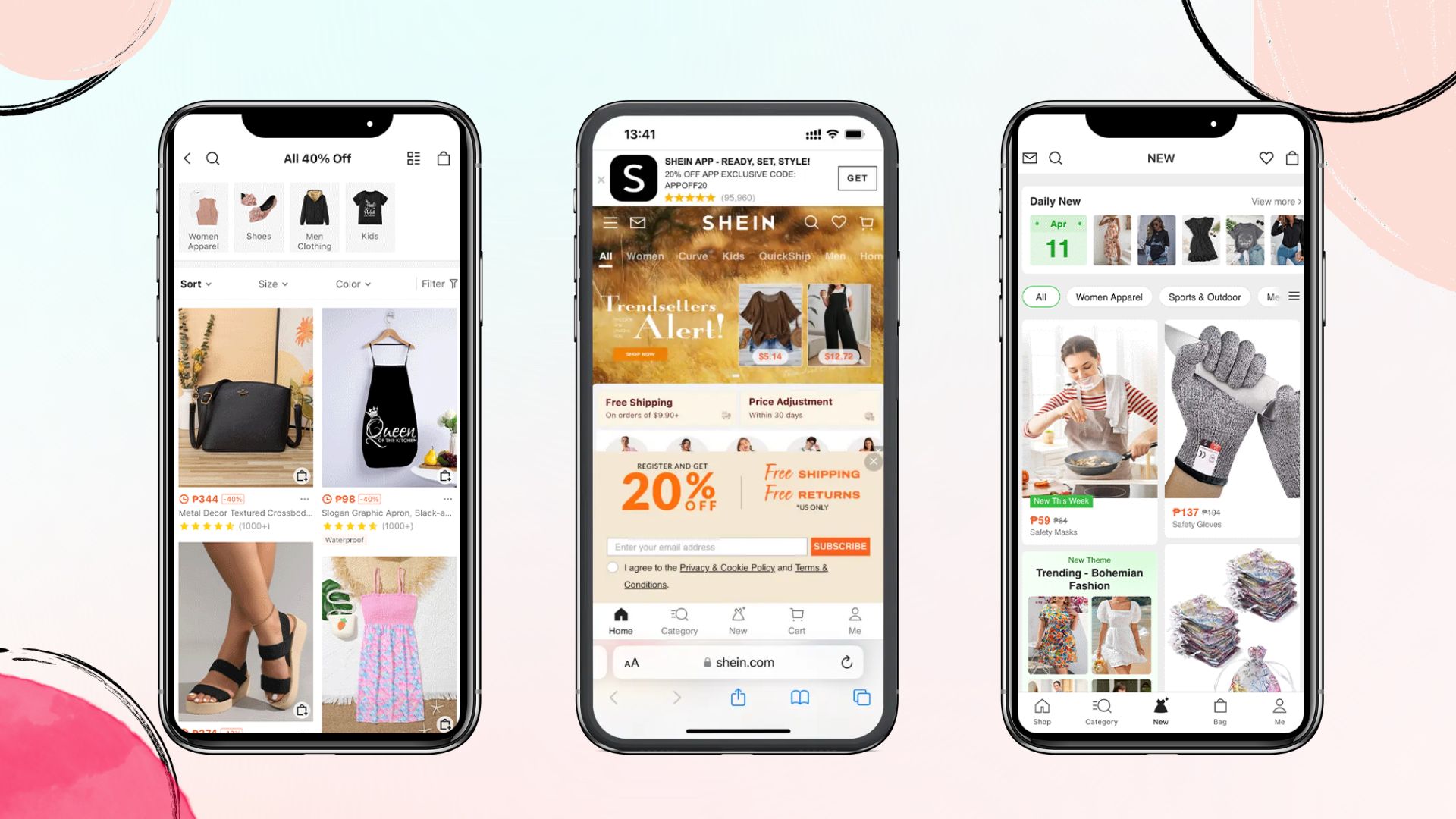
Shein’s digital-first approach is particularly evident in its commitment to mobile optimization. As smartphones become the primary devices for shopping among millennials and Gen Z, Shein has capitalized on this shift by providing a seamless mobile application that caters to the shopping experience of its target demographic. A report from Statista indicates that approximately 79% of smartphone users made at least one purchase via their device in 2022, spotlighting the importance of mobile shopping in today’s market. By prioritizing mobile convenience, Shein ensures that it remains at the forefront of consumers’ minds, effortlessly blending into their daily lives.
Localized Market Strategies
Market expansion also hinges on localized strategies tailored to each geographic area. Shein employs various tactics to engage consumers in specific regions, understanding that culture can significantly influence buyer behavior. To optimize market penetration, Shein follows several strategies:
- Regional Warehousing: To expedite delivery times and reduce shipping costs, Shein strategically positions warehouses in key regions, including Europe and North America, which allows for improved logistics management.
- Tailored Marketing Campaigns: The company invests in customized advertising that resonates with local cultures and fashion preferences, ensuring that messaging aligns with the values and aesthetics of each target market.
- Localized Product Offerings: By analyzing local trends and customer feedback, Shein can curate collections that reflect the distinctive styles and preferences of consumers in various locations.
This multifaceted approach not only enhances Shein’s responsiveness to fluctuating consumer demands but also cements its reputation as a brand that closely listens and adapts to its audience. As Shein expands its footprint, its ability to harmonize its global reach with local engagements will play a crucial role in sustaining long-term success.
The Role of Data Analytics in Global Strategy
The utilization of data analytics further underpins Shein’s global strategy. By leveraging insights from consumer purchasing patterns, social media interactions, and market trend analyses, Shein can make informed decisions about inventory management and future product launches. This reliance on real-time data allows Shein to remain agile, quickly iterating marketing campaigns and product offerings to align with contemporary trends. Through predictive analytics, the company can accurately forecast demand, minimizing excess inventory and maximizing sales opportunities—a core principle in the highly competitive fast-fashion sector.
This adept use of technology showcases the intersection of globalization and sophisticated market strategies, painting a picture of how Shein has become a model for modern retail. As the brand navigates the complexities of different consumer landscapes, its adaptability to cultural nuances and market dynamics positions it favorably in the global economy. In the following sections, we will delve deeper into how Shein’s expansion plans are intertwined with evolving consumer behaviors and the continuing dialogue on sustainability within the fast-fashion industry.
| Advantage | Description |
|---|---|
| Lower Production Costs | Utilization of overseas manufacturing to minimize costs and boost profit margins. |
| Rapid Market Entry | Globalization allows Shein to launch new products quickly in various markets, responding to trends in real-time. |
The phenomenon of globalization profoundly influences companies like Shein, reshaping their market dynamics and expansion strategies. With the ever-increasing interconnectedness of global economies, Shein has effectively capitalized on this trend by establishing a robust presence across multiple international markets. One of the primary advantages of this strategy is the capability to lower production costs. By leveraging cost-effective labor and materials in countries with a high availability of resources, Shein manages to keep prices competitive. Moreover, the ability to achieve rapid market entry into diverse geographic regions has allowed Shein to maintain its edge in an industry characterized by haste and high consumer demands. This quick adaptation not only helps meet local customer preferences but also reinforces Shein’s commitment to operational agility. As consumers grow increasingly influenced by fast fashion, the company’s strategic initiatives showcase how globalization is not merely an enhancement but a necessity for survival in today’s volatile retail environment. This responsive and adaptive growth illustrates the ongoing impact of globalization on market dynamics and invites further exploration into how these strategies will evolve in the future.
DON’T MISS: Click here to learn how to spot counterfeits
Social Media and Influencer Marketing in Shein’s Expansion
As Shein continues to navigate the ever-evolving landscape of global retail, the impact of social media and influencer marketing cannot be overstated. In recent years, platforms like Instagram, TikTok, and Snapchat have become powerhouses for brand visibility and consumer engagement, and Shein has harnessed these channels to cultivate a formidable online presence. With an estimated 3.5 billion active social media users globally, Shein’s strategic focus on digital platforms enables the brand to reach potential customers in diverse markets and demographics effectively.
Shein collaborates with thousands of influencers across the globe, employing a multi-tiered approach ranging from mega influencers with millions of followers to micro-influencers with a highly engaged niche audience. This strategy not only enhances Shein’s credibility but also fosters a sense of relatability among young shoppers. The brand’s #SheinHaul trend has gained traction on platforms like TikTok, where users showcase their purchases, promoting the idea that fashionable finds can be budget-friendly. The virality of these authentic content pieces creates a ripple effect, further driving sales through peer recommendations and inspiring confidence in Shein’s offerings.
Community Engagement and User-Generated Content
Beyond influencer partnerships, Shein actively encourages user-generated content (UGC), inviting shoppers to share their unique styling of the brand’s garments on social media. This strategy not only boosts product visibility but also fosters a sense of community among shoppers. As customers post their looks, they inadvertently become brand ambassadors, elevating Shein’s visibility without the hefty price tag typically associated with traditional advertising. According to a survey by Stackla, 79% of consumers say user-generated content highly impacts their purchasing decisions, showcasing how cultural relevance and community-driven content feed into Shein’s expansion strategy in new markets.
Moreover, Shein’s commitment to engaging with its audience extends beyond typical consumer interactions. The brand organizes online challenges, giveaways, and even encourages feedback on new products through social media polls. This level of interaction not only makes users feel valued but also reinforces brand loyalty, a crucial factor in a market saturated with options. As Shein continues to grow, maintaining this dynamic between the brand and its community will be pivotal in cultivating long-term relationships with consumers.
Challenges and Controversies in Globalization
However, Shein’s rapid growth and globalization efforts are not without their challenges. The brand has faced scrutiny regarding issues such as sustainability and ethical production practices, prompting debates about the implications of fast fashion within the global market. For instance, the environmental impact of producing inexpensive garments at scale raises concerns not only among consumers but also within regulatory bodies seeking to address fashion’s carbon footprint. Sustainable fashion advocates emphasize the need for transparency, urging companies like Shein to adopt eco-friendly practices amidst a backdrop of modernization.
Shein must navigate these complexities while maintaining its competitive edge. As consumer expectations shift, particularly in markets like the U.S., where there is heightened awareness of sustainability, the brand’s ability to address these challenges will be paramount to its continued expansion. Implementing strategies that incorporate socially responsible initiatives will become increasingly essential as Shein strives to align itself with the evolving values of its global customer base.
The intertwining roles of social media engagement, community interaction, and addressing sustainability challenges present a nuanced picture of Shein’s expansion strategy amidst globalization. As the brand continues to redefine fashion through a digital lens, its adaptability will determine its resilience and longevity within the ever-competitive sector.
DISCOVER MORE: Click here for affordable maternity options
Conclusion: Navigating the Global Fashion Landscape
As Shein stands at the forefront of the global fashion industry, its expansion strategy emphasizes adaptability in response to the multifaceted challenges of globalization. The brand has effectively leveraged the power of social media and influencer marketing to penetrate diverse markets, creating a rich tapestry of engagement that resonates particularly with the younger demographics. By fostering a sense of community through user-generated content, Shein has transformed its customers into brand advocates, amplifying its reach without incurring substantial marketing costs.
However, the journey is not devoid of obstacles. The increasing scrutiny regarding sustainability and ethical practices poses a significant challenge for Shein as consumer preferences shift towards more environmentally responsible fashion choices. With an estimated 66% of global consumers willing to pay more for sustainable brands, Shein’s commitment to transparency and eco-friendly initiatives will be vital for maintaining its competitive edge. The brand’s ability to adapt to these evolving consumer values will not only inform its current operations but will also shape its future growth trajectory in international markets.
As Shein continues to redefine the perception of fast fashion on a global scale, its resilience lies in balancing profit generation with corporate responsibility. Future endeavors in socially responsible practices coupled with maintaining a robust online presence will be key to successfully navigating the complex and ever-changing dynamics of the global marketplace. In doing so, Shein may very well lead the charge in transforming consumer expectations and setting new standards within an industry ripe for change.

Linda Carter
Linda Carter is a writer and expert known for producing clear, engaging, and easy-to-understand content. With solid experience guiding people in achieving their goals, she shares valuable insights and practical guidance. Her mission is to support readers in making informed choices and achieving significant progress.