The Future of E-commerce Subscriptions: How the Subscription Business Model is Changing Consumption

Understanding E-commerce Subscriptions
The concept of using subscription models for shopping has gained incredible traction among consumers, prompting a fundamental shift from traditional purchasing methods. Instead of the usual one-off transactions, people are increasingly opting for subscription services that simplify their lives. These services frequently operate on a monthly basis, allowing consumers to receive products automatically without having to revisit their shopping lists regularly.
One of the primary advantages of this model is convenience. For instance, consider toilet paper or pet food; these essential items are often forgotten on grocery trips. With a subscription service, consumers can set it and forget it, receiving regular shipments to their doorsteps. This is especially important for busy individuals or families who benefit from the time saved on shopping.
Additionally, many subscription plans offer cost savings. Companies frequently provide discounts to attract subscribers, leading to significant financial benefits over time. For example, a meal kit service might subsidize the cost of its boxes, offering fresh ingredients and recipes at a lower price compared to buying each ingredient separately from a grocery store. This not only makes meal preparation more affordable but also encourages consumers to try new recipes they might have otherwise overlooked.
Another compelling aspect of subscriptions is the exclusive access they provide. Many subscription services offer unique products, such as limited-edition clothing, early access to new video game releases, or special formulations from beauty brands. For example, beauty subscription boxes often feature exclusive items only available to subscribers, appealing to beauty enthusiasts who desire to try the latest trends without paying full retail price.
Industries Embracing Subscription Models
This shift towards subscriptions is evident across various industries:
- Entertainment: Streaming platforms like Netflix and Spotify have revolutionized the way people consume movies and music, shifting attention from ownership to access. In the past, consumers would buy physical DVDs or CDs; now, they can enjoy vast libraries of content through a simple monthly fee.
- Food: Companies like Blue Apron or HelloFresh offer meal kit deliveries that allow customers to prepare gourmet meals effortlessly at home. These kits provide all necessary ingredients and instructions, catering to various dietary preferences and making cooking enjoyable rather than a chore.
- Beauty: Monthly subscription boxes, such as Ipsy or Birchbox, curate beauty products based on individual consumer profiles. These services help users discover new brands and products tailored to their tastes, making personal grooming more accessible and personalized.
As we continue to observe this trend, it is clear that the subscription business model is more than just a passing trend; it indicates a profound change in how consumers think about shopping. Companies that adjust to this evolving landscape stand to build loyal customer bases and innovate their delivery techniques.
In conclusion, understanding the implications of e-commerce subscriptions is vital for both businesses and consumers. By embracing this model, consumers can streamline their shopping experience, while businesses that adapt have the potential to thrive in an ever-changing market. This innovative approach to consumption not only reshapes how we buy but also how we value the products we use in our everyday lives.
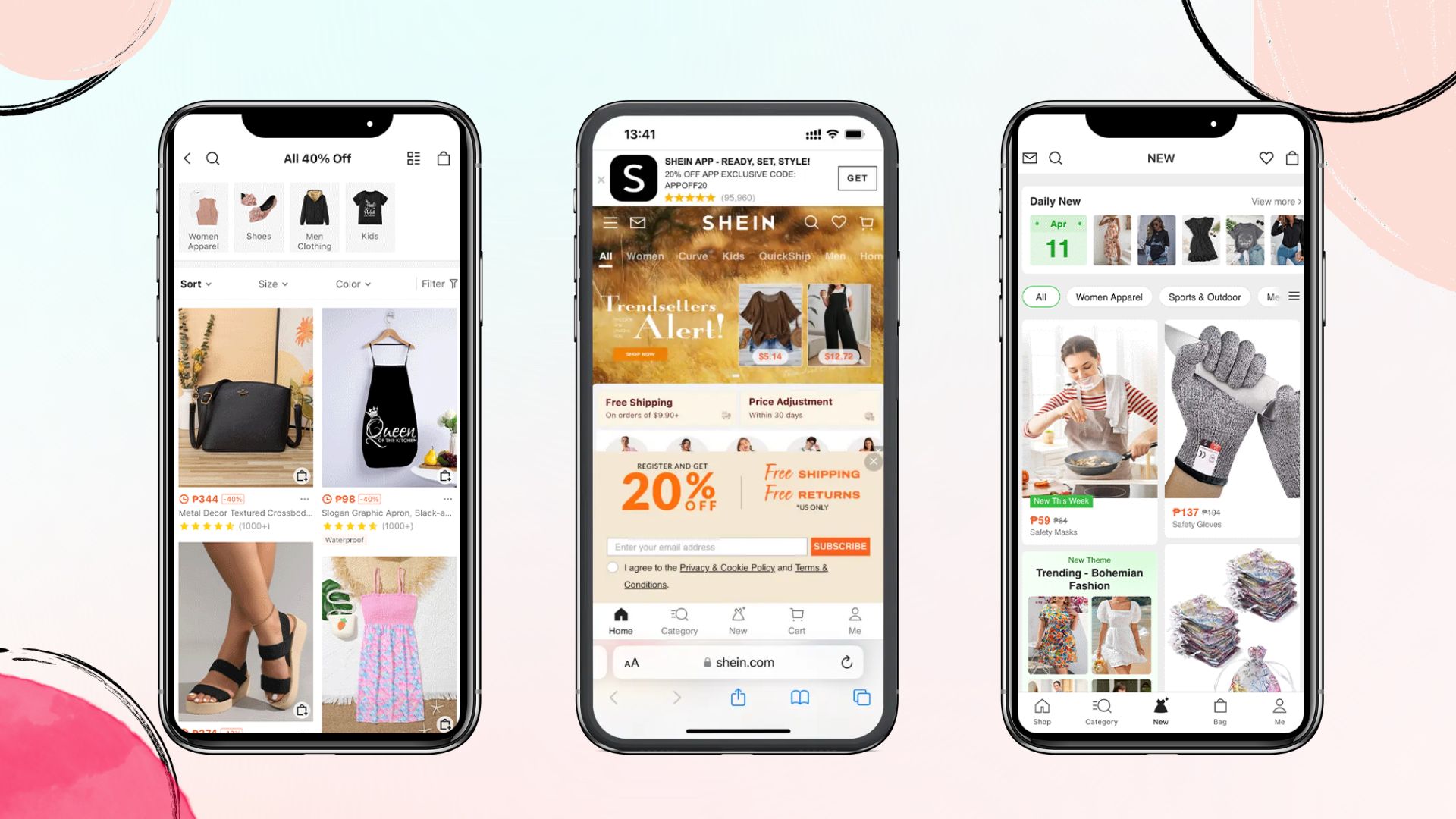
DISCOVER MORE: Click here to learn about the impact of Shein on consumer behavior</p
The Rise of E-commerce Subscription Models
In recent years, the adoption of e-commerce subscription services has expanded rapidly, reflecting a broader transformation in consumer behavior. This growth can be attributed to various factors directly aligning with the changing dynamics of modern life. First and foremost is the notion of personalization. Consumers today are seeking experiences tailored to their individual needs and preferences. Subscription models leverage data analytics to curate selections, ensuring that users receive products suited to their tastes. For example, streaming services like Netflix and Spotify use algorithms to recommend shows, movies, or music, fostering a more engaging experience for subscribers.
Another significant factor is the increasing demand for flexibility. Consumers want the ability to choose when and how often they receive products. Many subscription services now allow users to adjust delivery schedules, skip shipments, or even cancel their services quickly and easily. This level of flexibility empowers consumers, enabling them to manage their subscriptions to fit their lifestyles without feeling locked into rigid agreements.
Furthermore, the rise of sustainability consciousness among consumers has impacted the way subscription services are structured. With a heightened awareness of environmental issues, many companies have begun implementing eco-friendly practices in their subscription offerings. For instance, brands like ThredUp offer secondhand clothing subscriptions, promoting sustainability by reducing waste while still providing customers with stylish options. This alignment between consumer values and business practices enhances brand loyalty and encourages subscribers to support sustainable choices.
Key Benefits of Subscription Services
Understanding the benefits associated with e-commerce subscriptions is essential for recognizing their growing popularity. Here are some key advantages:
- Predictable Expenses: Subscriptions can help consumers manage their budgets better. By knowing exactly how much will be charged each month, consumers can avoid unexpected expenses and plan accordingly.
- Curated Selection: Subscription services often provide tailored options, allowing consumers to discover new products they may not have chosen otherwise. This curated approach can enhance consumer satisfaction and lead to new purchases.
- Community Engagement: Many subscription services cultivate a sense of community among their subscribers. For instance, book subscription boxes encourage readers to connect with others who share similar literary interests through book discussions and forums.
As we delve deeper into the future of e-commerce subscriptions, it’s clear that the ongoing evolution of consumer preferences and technological advancements will play a pivotal role in shaping this landscape. Companies that recognize the importance of agility, personalization, and sustainability will not only thrive but will also redefine how consumers engage with products and services. The subscription business model is not merely a trend; it represents a significant paradigm shift, transforming the way people consume and interact with the brands they love.
DISCOVER MORE: Click here to delve deeper
Innovations Driving E-commerce Subscriptions
The future of e-commerce subscriptions is not only defined by consumer preferences and practices but also by a wave of innovative technologies that are enhancing the subscription experience. One such innovation is the integration of artificial intelligence (AI) into subscription services. AI can analyze vast amounts of data to predict customer behaviors and preferences, enabling companies to refine their offerings continuously. For example, food delivery subscriptions like HelloFresh employ AI systems to tailor meal plans based on individual dietary restrictions, past orders, and even seasonal ingredients, resulting in a highly personalized experience.
Moreover, the emergence of augmented reality (AR) is transforming how consumers engage with subscription products before purchase. For instance, beauty box subscriptions such as Ipsy use AR technologies to allow users to virtually try on makeup products. This not only aids in making informed purchasing decisions but also adds an interactive element that can enhance customer engagement and satisfaction.
The Shift Towards Membership-Based Models
Another significant trend in the subscription space is the shift towards membership-based models. Brands are now offering exclusive membership plans that provide additional benefits beyond just products. Amazon Prime is a prime example of this model, providing subscribers with various perks, such as free shipping, streaming services, and access to exclusive deals. This creates a sense of added value, encouraging consumers to remain loyal. As more companies adopt this approach, it drives the increase in customer retention rates, as subscribers enjoy a holistic service rather than merely a product.
The concept of collaborative consumption is also gaining traction within the subscription model domain. This approach emphasizes access over ownership, allowing consumers to rent or share products rather than purchase them outright. Services like Rent the Runway enable users to rent high-end fashion items for special occasions, blending convenience with sustainability. This model not only appeals to consumers looking for affordable luxury but also aligns with the growing awareness around responsible consumption.
The Role of Social Media in Subscription Growth
Social media platforms have also played a pivotal role in the rise of e-commerce subscriptions. Utilizing influencers and targeted advertising, companies can directly reach potential subscribers where they are already engaging online. Brands leverage platforms like Instagram and TikTok to showcase their subscription boxes in action and offer exclusive deals, thus driving sign-ups. For example, beauty brands partner with influencers who unbox products for their followers, generating excitement and making the service more relatable.
As we look to the future, there is no doubt that the subscription business model will continue to evolve in response to both consumer demands and technological advancements. Businesses that can effectively harness these innovations and adapt their strategies will find themselves at the forefront of this transformative landscape. As customization, convenience, and social connection become increasingly ingrained in consumer behavior, e-commerce subscriptions will not only change how products are consumed but also reshape the overall shopping experience. By fostering a deeper connection with consumers, subscription services are set to redefine brand loyalty and customer engagement in ways previously unimagined.
DIVE DEEPER: Click here to discover more
Conclusion
As we navigate the rapidly evolving world of e-commerce, it is clear that the subscription business model is poised to significantly reshape consumption patterns. This transformation is driven by a combination of innovative technologies, such as artificial intelligence and augmented reality, which enhance personalization and interactivity, making the shopping experience more engaging. Furthermore, the shift towards membership-based models is creating new dynamics in customer loyalty, as consumers seek added value beyond just products.
Moreover, the rise of collaborative consumption reflects changing consumer attitudes that prioritize access over ownership, promoting sustainable practices and affordability. This trend not only caters to a more eco-conscious audience but also illustrates a broader shift in societal values regarding consumption.
The role of social media cannot be underestimated in this landscape. By utilizing influencers and tailored marketing strategies, brands are able to reach potential subscribers in a relatable and exciting way, driving growth and engagement like never before. Looking ahead, businesses that successfully embrace these trends will be well-positioned to thrive in the competitive e-commerce environment. As consumer expectations evolve, the future of e-commerce subscriptions promises to bring forth a more personalized, convenient, and responsible way for individuals to access products, ultimately redefining the retail experience for years to come.

Linda Carter
Linda Carter is a writer and expert known for producing clear, engaging, and easy-to-understand content. With solid experience guiding people in achieving their goals, she shares valuable insights and practical guidance. Her mission is to support readers in making informed choices and achieving significant progress.