Sustainable Digital Marketing Strategies: Attracting Conscious Consumers in a Changing World
Engaging Conscious Consumers in a Sustainable Way
As we delve into the complexities of today’s marketplace, it’s critical for businesses to understand the motivations and values of their consumers. Conscious consumers are particularly discerning; they not only want high-quality products but also seek to align their purchases with their personal ethics, which often emphasize sustainability. This growing awareness around environmental challenges, such as climate change and plastic pollution, has reshaped traditional buying behaviors.
Key Strategies for Sustainable Digital Marketing
To build strong relationships with these eco-minded customers, businesses can implement several effective strategies:
- Leverage Eco-friendly Messaging: Brands should not underestimate the power of clear and impactful messages that promote sustainability. For example, companies like Patagonia have effectively communicated their commitment to environmental stewardship through campaigns highlighting their use of recycled materials and fair labor practices. By sharing stories that resonate emotionally, brands can create deeper connections with consumers who care about similar values.
- Utilize Social Media Responsibly: Social media platforms have become key outlets for consumers to express their values. Brands should take advantage of this by showcasing their eco-friendly initiatives on platforms like Instagram and Facebook. For instance, creating visually compelling content, including images of sustainable sourcing or community clean-up events, encourages engagement. Engaging with followers through polls about sustainability initiatives can also show that the brand values their opinion.
- Content That Educates: Providing informative content about sustainability is invaluable for building trust with your audience. For example, a cosmetics brand could publish articles or videos on the environmental impact of certain ingredients, or share instructions on how to recycle packaging effectively. This not only positions the brand as an industry thought leader but also empowers consumers with knowledge that aligns with their ethical choices.
The Importance of Transparency
Moreover, an emphasis on transparency can significantly enhance a brand’s credibility. Consumers today have access to a wealth of information at their fingertips and are quick to critique companies that lack authenticity. By openly sharing sustainable practices, production processes, and even setbacks along the way, brands can foster a culture of honesty that resonates with their audience. This approach not only builds loyalty but also encourages customers to advocate for the brand within their circles, driving organic growth and engagement.
Ultimately, aligning digital marketing strategies with sustainability is not merely a trend; it is essential for businesses aiming to attract and retain conscious consumers. As societal values shift, companies that adapt their strategies accordingly will not only thrive but also contribute positively to the world. Throughout this article, we will explore further examples and methodologies that can provide guidance in fostering a sustainable approach to digital marketing.
DIVE DEEPER: Click here to discover innovative shopping trends
Creating Meaningful Connections through Sustainability
In today’s rapidly evolving digital landscape, understanding how to engage conscious consumers effectively is paramount for businesses. These consumers prioritize brands that share their values, particularly those focused on sustainability. To meet this demand, companies must not only implement sustainable practices but also communicate their efforts transparently. Here are several strategies that serve as a roadmap for connecting with eco-conscious audiences:
Prioritize Authentic Storytelling
One of the most powerful tools in digital marketing is storytelling. By crafting narratives that showcase a brand’s sustainable journey, companies can foster emotional connections with their consumers. For instance, a clothing brand might share the stories of artisans who create clothing from organic materials, emphasizing fair trade practices. These personal stories can create a sense of belonging, as consumers feel they are part of something larger than themselves. Effective storytelling not only highlights sustainable achievements, but it also underscores the brand’s commitment to ethical practices.
Optimize for Green Keywords
Search engine optimization (SEO) plays a crucial role in attracting conscious consumers. By integrating relevant eco-friendly keywords into website content, blogs, and product descriptions, brands can increase their visibility among socially responsible shoppers. For example, including terms like “sustainable packaging,” “ethical sourcing,” or “vegan ingredients” can help draw in a target audience actively looking for green alternatives. This strategy ensures that the message of sustainability reaches those who prioritize it in their purchasing decisions.
Encourage Community Engagement
Another effective strategy is to build a community around sustainability. Brands can leverage online platforms to create discussions and engage with consumers who are passionate about environmental issues. Here are some ways to foster community engagement:
- Host Virtual Events: Organizing webinars and workshops focused on sustainable practices can educate consumers while promoting the brand’s commitment to the cause. Topics could range from zero-waste living to sustainable fashion, encouraging consumer participation.
- Engage in Social Responsibility Campaigns: Initiate or participate in community projects that align with ecological goals, such as tree planting days or beach clean-ups. Sharing these initiatives on social media can amplify the message and inspire followers to contribute.
- Collaborate with Influencers: Partnering with eco-conscious influencers can broaden a brand’s reach. These individuals often have dedicated followers who trust their recommendations, making them valuable allies in promoting sustainable practices.
By engaging in these community-driven activities, brands not only support environmental initiatives but also build loyalty among their customer base, transforming consumers into brand advocates.
In a world where consumers increasingly prioritize ethics and sustainability, adapting digital marketing strategies to reflect these values is not just beneficial—it’s essential. Brands that embrace storytelling, savvy SEO practices, and community engagement are more likely to succeed in resonating with the conscious consumer, paving the way for a sustainable future. In the following sections, we will explore additional methods and initiatives to deepen your understanding of the intersection between sustainability and digital marketing.
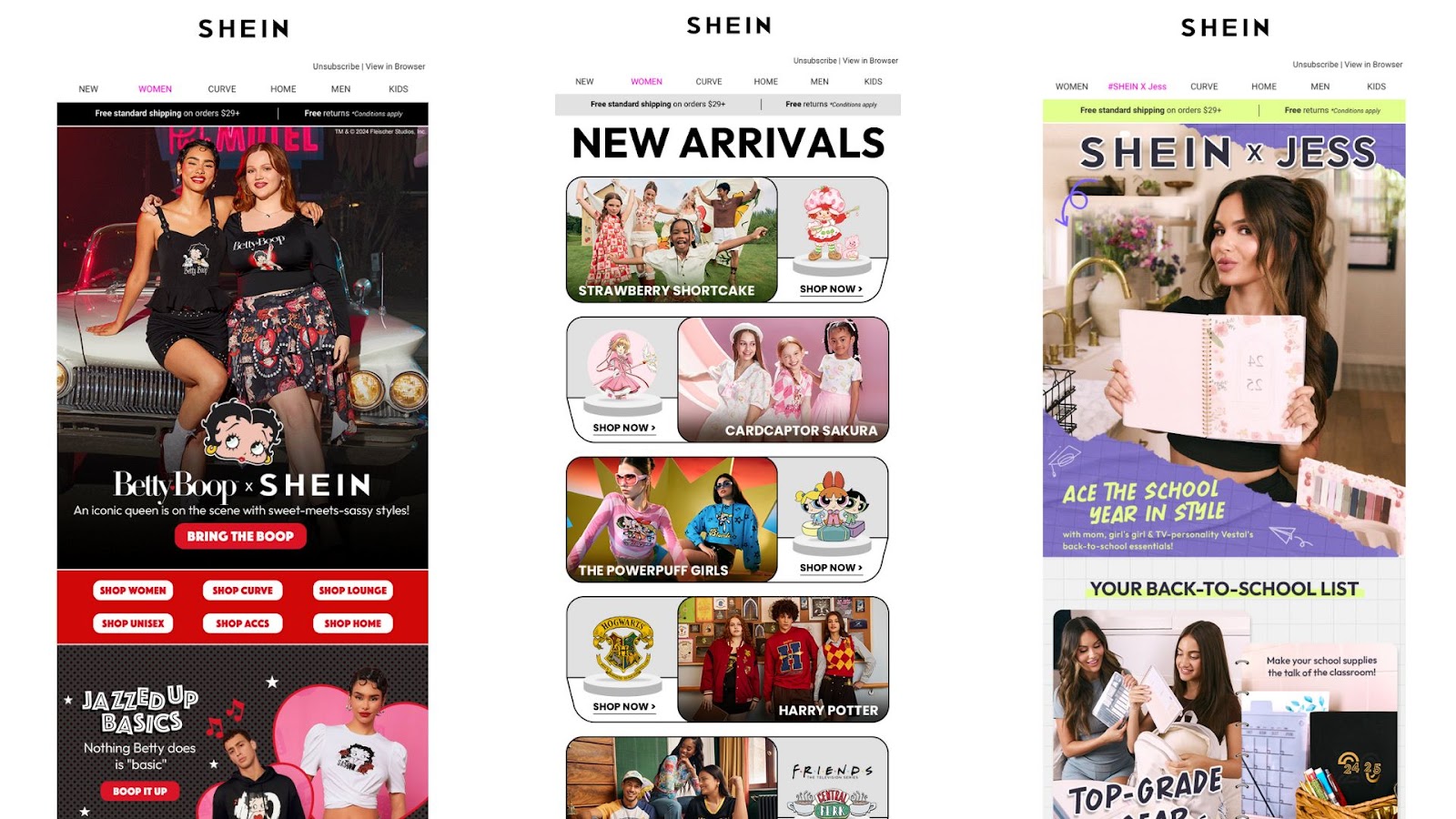
DISCOVER MORE: Click here to learn about Shein’s sustainable initiatives</
Leveraging Technology for Effective Sustainability Marketing
As brands strive to connect with conscious consumers, the integration of technology in sustainable digital marketing strategies has become increasingly vital. There are numerous innovative tools and platforms that organizations can leverage to amplify their message of sustainability, ensuring it reaches and resonates with their target audience effectively. Below are key technological approaches that can enhance a brand’s sustainable marketing efforts:
Implementing Eco-Friendly Digital Advertising
Embracing eco-conscious digital advertising not only aligns with sustainable principles but also sets a brand apart in the eyes of conscious consumers. Techniques such as programmatic advertising can help brands optimize their ad spending by targeting specific demographics interested in sustainability. Furthermore, using green hosting services for websites can significantly reduce carbon footprints, reinforcing a brand’s commitment to environmental stewardship. For example, brands that utilize energy-efficient servers to host their websites can proudly share this information, appealing to consumers who value businesses with eco-friendly infrastructures.
Utilizing Data Analytics for Sustainability Insights
Data analytics tools can play a crucial role in understanding consumer behavior and preferences regarding sustainability. By analyzing data from customer interactions, brands can tailor their marketing strategies to align more closely with consumer values. For instance, using analytics to track which sustainable product features customers are most drawn to can help a brand prioritize those aspects in future campaigns. Google Analytics and similar platforms provide invaluable insights into audience demographics, helping brands fine-tune their messaging and offerings, consequently enhancing engagement with conscious consumers.
Adopting Sustainable Email Marketing Practices
Email marketing remains a powerful tool for reaching consumers, and adopting sustainable practices within this channel can further enhance brand loyalty. Brands should focus on creating visually appealing, informative newsletters that spotlight sustainability initiatives, eco-friendly products, and offers for conscious consumers. Additionally, striving for a clean, organized email list ensures that brands communicate with genuinely interested audiences rather than overwhelming potential customers. By employing practices such as segmenting lists based on consumer interests in sustainability, brands can ensure their messages are relevant and impactful.
Emphasizing the Importance of Certifications and Partnerships
In the digital age, certifications that validate sustainable practices are essential for building trust and credibility among consumers. Brands can showcase certifications from recognized organizations such as the Fair Trade Association, USDA Organic, or B Corp through their digital marketing channels. By highlighting these partnerships on websites, social media, and promotional materials, brands can reassure consumers of their commitment to sustainability. Furthermore, collaborating with ethical supply chains and highlighting these partnerships in marketing campaigns can strengthen a brand’s appeal to socially responsible buyers.
As technology continues to evolve, exploring these tools and methods for sustainable digital marketing will enable brands to resonate with conscious consumers in a significant way. Understanding and harnessing the power of eco-friendly advertising, data analytics, sustainable email practices, and valid certifications are all key components in creating a successful strategy that aligns with consumer expectations and environmental responsibilities.
DISCOVER MORE: Click here to learn about augmented reality in shopping
Conclusion
As we navigate a world increasingly focused on sustainability, brands have a unique opportunity to align their digital marketing strategies with the values of conscious consumers. The integration of eco-friendly practices, innovative technology, and authentic storytelling can profoundly impact how businesses connect with their audiences. By harnessing the power of data analytics, brands can tailor their messaging to reflect the specific sustainability concerns of their target markets, creating a more personalized experience that fosters loyalty.
Moreover, adopting practices such as eco-friendly advertising and sustainable email marketing not only reduces environmental impact but also enhances brand reputation. Highlighting certifications and partnerships with recognized organizations establishes trust and credibility, further solidifying the brand’s commitment to sustainability. In a landscape where consumers are becoming more discerning and informed, transparency and authenticity are paramount.
Ultimately, brands that embrace sustainable digital marketing strategies not only contribute to a healthier planet but also build lasting relationships with their customers. As consumer expectations evolve, companies must remain agile, continuously refining their approaches to meet these demands while staying true to their mission. By prioritizing sustainability, brands can not only thrive in a changing world but also lead the charge toward a more responsible and conscious marketplace.

Linda Carter
Linda Carter is a writer and expert known for producing clear, engaging, and easy-to-understand content. With solid experience guiding people in achieving their goals, she shares valuable insights and practical guidance. Her mission is to support readers in making informed choices and achieving significant progress.