Menu

The Role of Social Media in Influencing Consumer Behavior and Market Dynamics

Social media significantly influences consumer behavior and market dynamics through peer recommendations, influencer marketing, and user-generated content. Brands that effectively engage with consumers online can enhance trust, loyalty, and adaptability, ultimately driving sales and fostering community connections in a rapidly evolving digital landscape.

Sustainability and Market Dynamics: How Conscious Consumption is Redefining Sectors

A notable shift in consumer behavior towards sustainability and conscious consumption is transforming various sectors. Industries like food, fashion, and technology are adapting by prioritizing ethical sourcing, transparency, and innovative practices. This evolution fosters consumer loyalty and aligns business strategies with environmental responsibility, shaping a more sustainable marketplace.

The Influence of Generation Z on Market Dynamics: What Brands Need to Know

Generation Z is reshaping market dynamics through their digital savvy, social consciousness, and demand for authenticity. Brands must adapt by prioritizing sustainability, personalized experiences, and transparent communication. Engaging this influential demographic effectively hinges on understanding their values, shopping habits, and the importance of genuine interactions in marketing strategies.

The Rise of E-commerce and Its Implications for Market Dynamics

The rise of e-commerce is fundamentally transforming market dynamics, reshaping consumer behavior and increasing competition. Technological advancements and consumer convenience drive this shift, compelling traditional retailers to innovate. Understanding these evolving dynamics is crucial for businesses to adapt and remain competitive in an increasingly digital marketplace.

Post-Pandemic Consumer Behavior Changes: New Trends and Market Dynamics

The COVID-19 pandemic has reshaped consumer behavior, emphasizing health, online shopping, sustainability, and personalization. Businesses must adapt to these post-pandemic trends, leveraging technology, fostering authenticity, and exploring subscription models to thrive in an evolving marketplace and meet changing consumer expectations.

The Role of Circular Economy in New Market and Consumption Dynamics

The circular economy is revolutionizing market dynamics by promoting sustainability through resource efficiency, waste reduction, and innovative business models. This shift is reshaping consumer behavior, driving demand for ethical products, and creating new job opportunities, ultimately fostering a resilient economic landscape aligned with eco-friendly practices.

Customization as a Market Strategy: How Brands Are Adapting Their Offerings to the Modern Consumer

Brands are increasingly embracing customization as a market strategy to meet modern consumer demands for personalized products and services. By leveraging technology, such as AI and 3D printing, companies enhance customer experiences and build loyalty, ensuring they remain competitive in today's dynamic marketplace.

The Impact of Technology on Market Dynamics: Innovations that Transform Consumption

Technological innovations have transformed consumer behavior and market dynamics, reshaping e-commerce, mobile applications, and social media engagement. Data-driven marketing, personalized experiences, and ethical consumption are now essential for brands to remain competitive in a rapidly evolving marketplace, emphasizing the need for adaptability and strategic integration of technology.

How Artificial Intelligence Is Transforming the Supply Chain in the Modern Industry

Artificial Intelligence is revolutionizing supply chain management by enhancing efficiency, accuracy, and transparency. AI-driven demand forecasting, real-time inventory management, and logistics optimization empower businesses to respond swiftly to market changes. Additionally, improved supplier relationships and sustainable practices support operational excellence and customer satisfaction, positioning companies for future success.

Collaborative Robotics: The New Frontier of Human-Machine Interaction in Industry

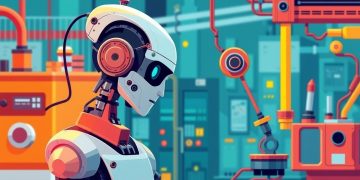
Collaborative robotics, or cobots, are transforming industries by enhancing human-machine interaction. Designed for safety and flexibility, these robots improve productivity and workplace safety across various sectors, including manufacturing, healthcare, and agriculture. Embracing cobots fosters innovation and efficiency, driving success in modern industrial operations as companies navigate their integration challenges.